If you’re buying in Sudbury, one question can shape your whole search: should you pursue new construction or buy a resale home? In a market where homes move quickly and values are high, that choice affects your timeline, budget, inspection plan, and day-to-day stress level. The good news is that there is no one-size-fits-all answer, and understanding how Sudbury’s housing stock and local development rules work can help you make a more confident decision. Let’s dive in.
Sudbury market basics
Sudbury is a largely owner-occupied market with high home values and limited supply. Census QuickFacts estimates the owner-occupied rate at 89.9%, the median value of owner-occupied housing at $988,900, and median monthly owner costs with a mortgage at more than $4,000. Zillow’s home value index reached $1,173,220 as of May 31, 2026, and homes were going pending in about 6 days.
That speed matters when you are comparing a finished resale home to a property still being built. It also helps explain why buyers often need a clear plan before they start touring homes or reviewing new-construction opportunities.
Why resale is more common in Sudbury
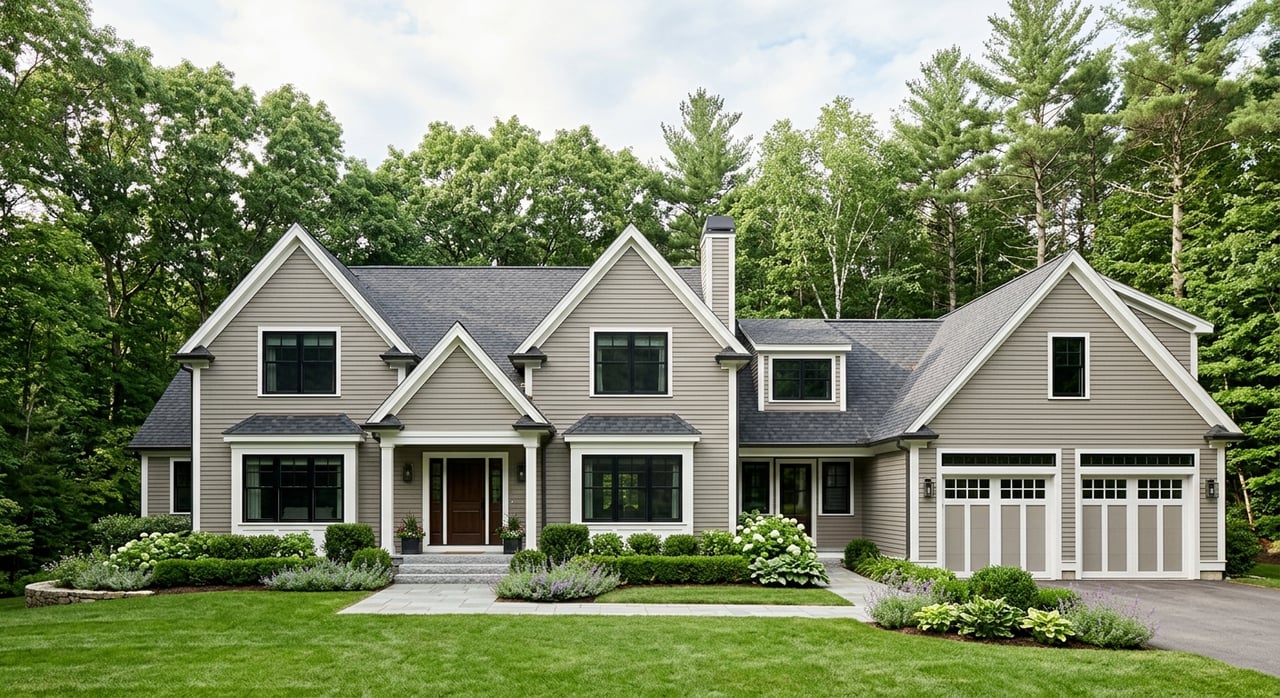
If you look at Sudbury’s housing stock, resale is usually the default path. The town’s 2024 housing plan says about 94% of the supply is single-family housing, and much of it was built after World War II, with more than 40% built between 1950 and 1969.
That means many buyers in Sudbury are choosing from existing homes rather than a large pool of brand-new inventory. It also means your decision often comes down to whether you want a completed home with a known layout and established setting, or whether you want the customization and newer systems that can come with new construction.
What makes new construction different
New construction appeals to buyers who want more control. Depending on the stage of construction, you may be able to choose finishes, adjust some design details, and move into a home with newer materials and systems.
In Sudbury, though, new construction is shaped by local constraints. The town’s housing plan notes that land is limited, high land prices influence what gets built, and current supply does not satisfy demand. The same planning materials also say that more than 92% of the town is zoned for single-family residential use.
That local reality can make new construction harder to find and sometimes more complex than buyers expect. In many cases, the appeal of a new home comes with added layers of review, site feasibility, and waiting.
Sudbury site conditions matter
In Sudbury, buildability is not just about whether a lot looks large enough on paper. The town says all single-family homes use on-site septic systems, and about 35% of the town has soils unsuitable for septic installation. The water system serves about 95% of residents, which means utility and site conditions should be reviewed carefully as part of the buying process.
For you as a buyer, this matters most when you are considering a to-be-built home, a recently built home, or vacant land. Septic feasibility, wetlands, and other local constraints can affect where a home can be built and how long the process may take.
New construction timing in Sudbury
One of the biggest tradeoffs with new construction is time. The Sudbury Building Department says a building permit is required for residential construction, and permits are issued in most cases within two to three weeks after submittal. The town also uses a certificate-of-occupancy checklist before certification is issued.
That does not mean every project moves quickly from contract to move-in. Permit timing is only one part of the process, and buyers should also account for build schedules, final approvals, and occupancy steps before a closing can happen.
What resale homes offer in Sudbury
Resale homes can be easier to evaluate because what you see is already there. You can assess layout, lot, natural light, storage, room sizes, and overall condition without waiting for construction milestones.
In Sudbury, that can be a major advantage because most available homes fit this category. If your goal is to move on a shorter timeline or compare several established homes in the same price range, resale may give you more practical options.
Resale can also offer mature landscaping and neighborhoods with a more established feel. At the same time, older homes may come with updates, repairs, or system replacements that you will want to budget for.
The main resale tradeoffs
The town’s housing plan points to a few important issues with older housing stock. Older homes may have higher utility and maintenance costs, and older units may also have lead paint. Lead-paint remediation can be costly.
That does not mean resale homes are a poor choice. It means the value of a resale home depends heavily on condition, maintenance history, and what your inspections reveal before you commit.
Inspections matter in both paths
A common misconception is that new construction does not need the same level of due diligence as resale. In Massachusetts, that is not the case.
Under 760 CMR 74.00, sellers of certain residential properties cannot condition acceptance of an offer on a buyer waiving a home inspection. The state notes a limited exemption for some newly constructed homes sold before substantial completion when the seller offers at least a one-year express written warranty.
Even with that exemption, a new build is not automatically inspection-free. Massachusetts guidance says a standard home inspection is visual and limited in scope, is not an appraisal, and is not a guarantee.
What to inspect in Sudbury
State guidance says buyers may also consider separate tests or inspections for:
- Lead paint
- Water quality
- Wood-destroying insects
- Radon
- Mold
- Allergens
In Sudbury, water and wastewater due diligence deserve close attention because the town relies heavily on on-site septic systems for single-family homes. For resale homes, this can help you understand the condition of existing systems. For newer homes, it helps confirm that important systems and site conditions have been evaluated properly.
When inspections usually happen
In a fast-moving market, timing matters almost as much as the inspection itself. Massachusetts guidance says home inspectors are typically hired right after the offer to purchase contract is signed and before the final purchase and sale agreement.
That timeline is important in Sudbury because homes can move pending quickly. If you are competing in this market, you want your inspection plan and your decision-making process ready before you submit an offer.
New construction vs. resale at a glance
| Factor | New Construction | Resale |
|---|---|---|
| Inventory in Sudbury | More limited | More common |
| Customization | Higher before completion | Lower |
| Move-in timing | Less predictable | Often more immediate |
| Site complexity | Can be significant | Usually already established |
| Inspection focus | Build quality, systems, warranty details, site issues | Age, condition, updates, maintenance, lead paint, systems |
| Buyer mindset | Patience and flexibility | Evaluation and comparison |
How to decide which path fits you
The better choice usually comes down to your priorities, not just the home itself. If you want to personalize finishes and can handle a more layered timeline, new construction may be worth the wait. If you want a completed home and prefer to judge the property in real time, resale may be the better fit.
Here are a few practical ways to think about it.
Choose new construction if you value customization
New construction may fit you well if selecting finishes and living with newer materials matters more than moving quickly. It can also be a strong option if you are comfortable with permit timing, occupancy steps, and the extra patience that often comes with a build process.
In Sudbury, this path works best when you understand that land and site conditions can affect both availability and timing. A beautiful floor plan is only one part of the equation.
Choose resale if you want certainty
Resale may be the better fit if you want to walk through the exact home you plan to buy and evaluate it with inspections rather than through construction updates. This route is especially practical in Sudbury because so much of the housing supply is existing single-family homes.
If you go this route, focus on systems, maintenance history, and likely near-term costs. An older home can be an excellent long-term choice when you go in with clear eyes and solid due diligence.
Choose based on process tolerance
Sometimes the deciding factor is not style. It is how much uncertainty you are comfortable managing.
In Sudbury, new construction tends to concentrate risk in permitting, site constraints, and occupancy steps. Resale tends to concentrate risk in age, systems, upkeep, and what inspections uncover.
The smartest approach in Sudbury
In this market, the best decisions usually come from matching the property type to your timeline and comfort level. Sudbury’s fast pace, high values, older housing stock, and local site constraints all shape what a smart purchase looks like.
Whether you are leaning toward a builder-backed home or an existing property, it helps to work with someone who can explain the tradeoffs clearly and keep the process calm and organized. If you want guidance on buying in Sudbury, connect with Michelle St Michael for practical, responsive support.
FAQs
What makes new construction harder to find in Sudbury?
- Sudbury’s housing plan says most land is zoned single-family, supply does not satisfy demand, and development is shaped by constraints like septic limitations, wetlands, open space, and other local rules.
Should you get a home inspection on new construction in Sudbury?
- Yes. Massachusetts rules limit inspection-waiver practices in covered residential transactions, and state guidance says a standard inspection is still valuable because it is a separate, visual review of the home and its systems.
What should you inspect when buying a resale home in Sudbury?
- In addition to a general home inspection, Massachusetts guidance says buyers may consider testing for lead paint, water quality, wood-destroying insects, radon, mold, and allergens.
When do buyers usually schedule a home inspection in Massachusetts?
- State guidance says a home inspector is typically hired right after the offer to purchase contract is signed and before the final purchase and sale agreement.
Is resale or new construction more common in Sudbury?
- Resale is far more common because the town’s housing stock is dominated by existing single-family homes, with about 94% of the supply in that category.
Why do septic conditions matter when buying in Sudbury?
- Sudbury says all single-family homes use on-site septic systems, and about 35% of the town has soils unsuitable for septic installation, so wastewater and site due diligence are especially important.