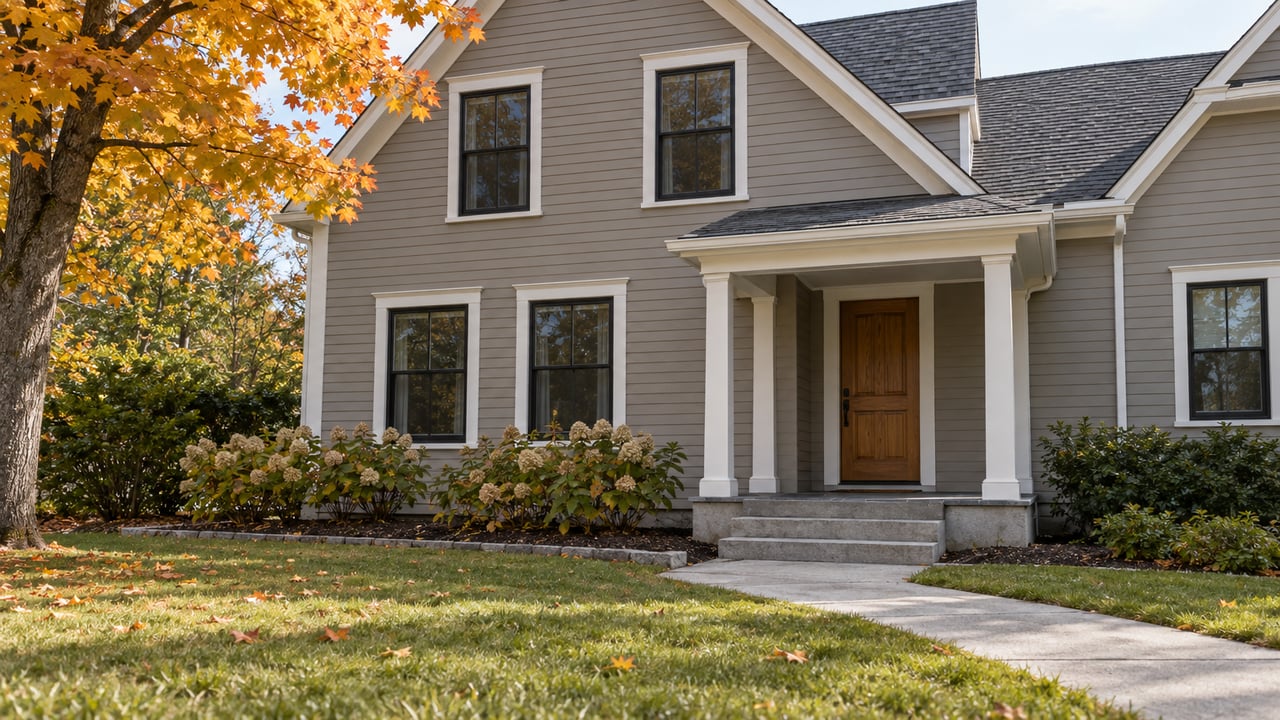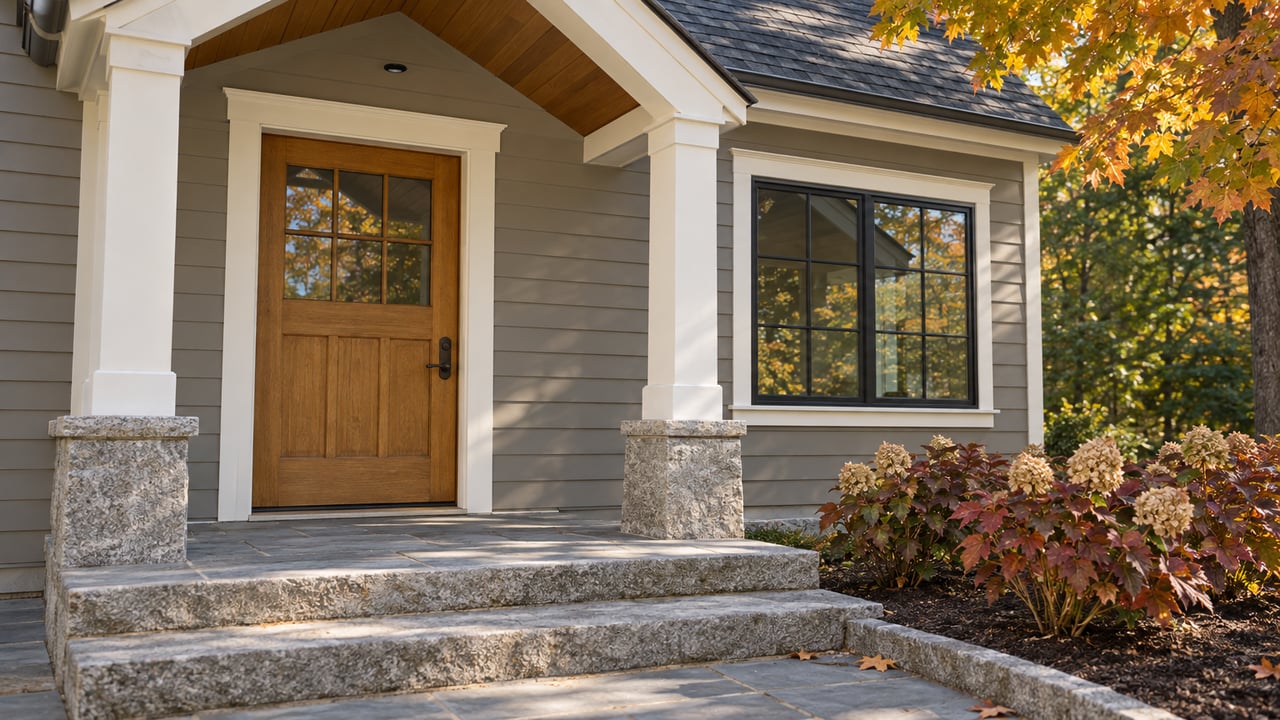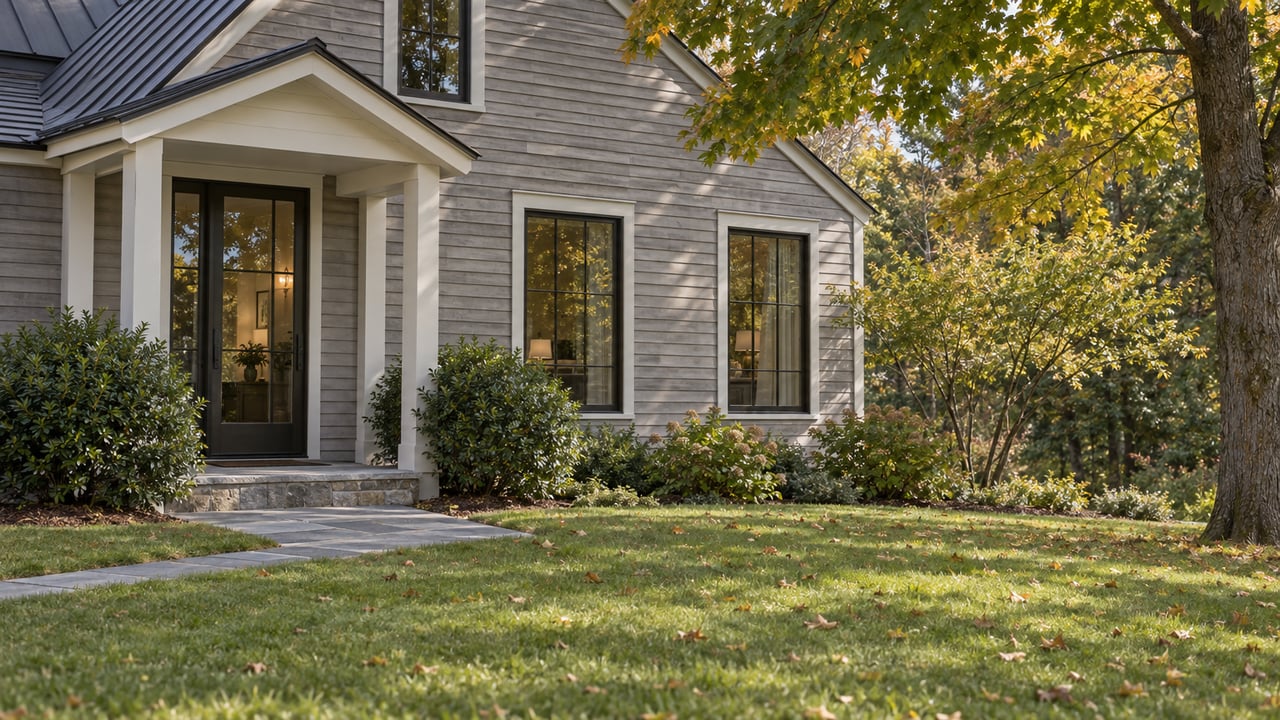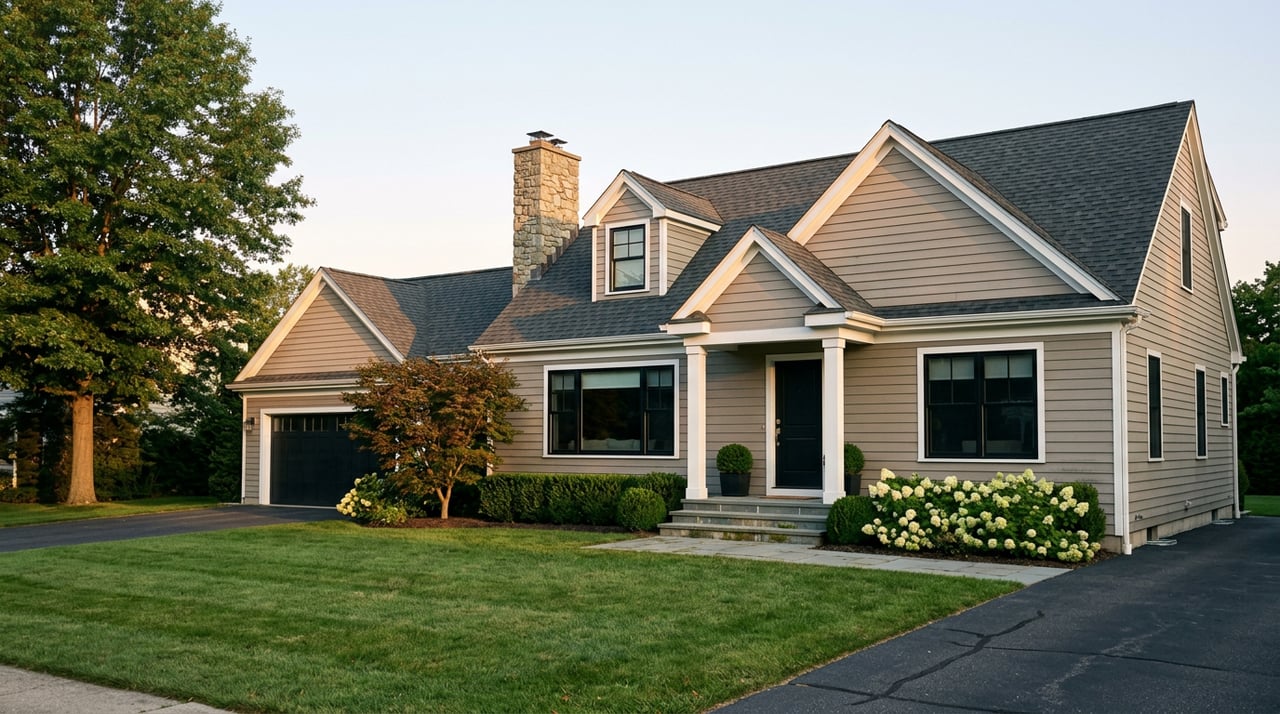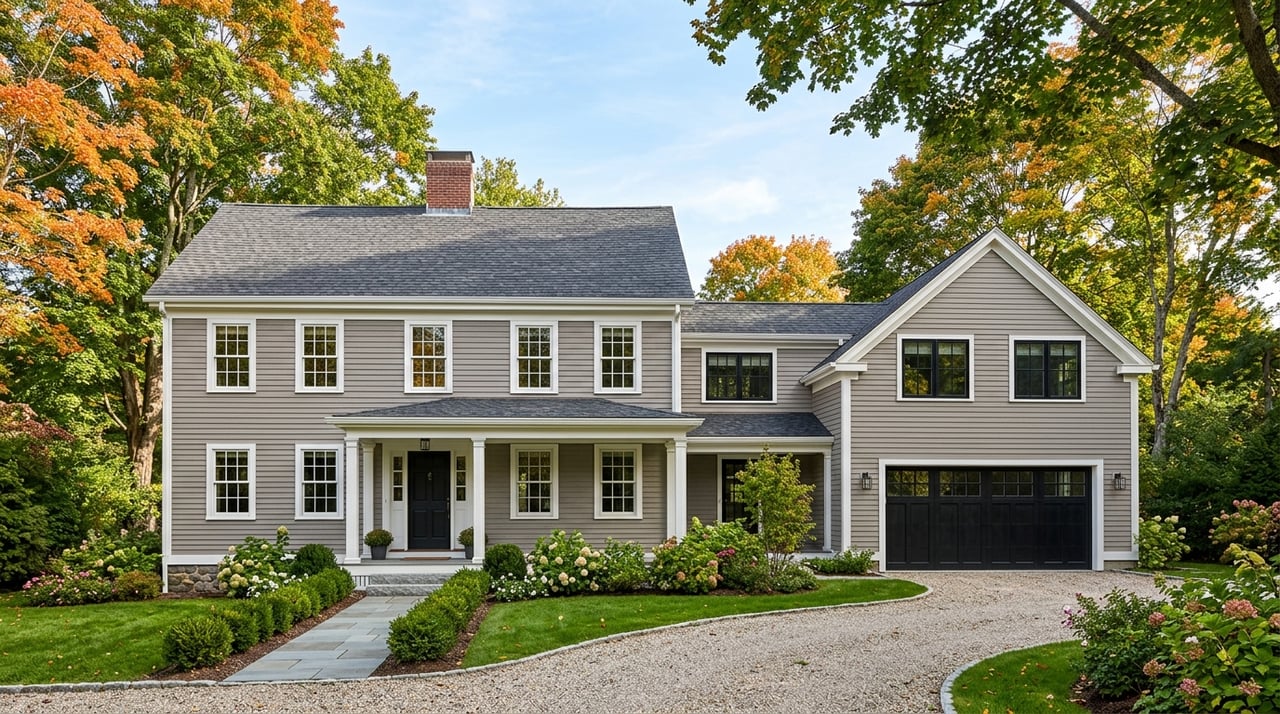
If you are deciding between a historic home and a newer build in Bolton, MA, you are not just comparing ages on a listing sheet. You are choosing between two very different living experiences in a town known for large lots, low-density housing, and a strong New England identity. This guide will help you understand what historic and new homes in Bolton really look like, what tradeoffs matter most, and how to narrow your search with confidence. Let’s dive in.
Bolton housing has a distinct feel
Bolton sits on the eastern edge of Worcester County, about 12.4 miles northeast of Worcester, with access shaped in part by Route 117 and I-495. The town describes itself as a largely residential community of single-family homes on large lots. Planning documents also frame Bolton as a bedroom community influenced by growth around Route 495.
That context matters when you start home shopping. Bolton is not built around dense neighborhood grids or large-scale suburban sprawl. Instead, you will find a housing mix that leans heavily toward detached homes, privacy, and land.
According to U.S. Census QuickFacts and town planning data, Bolton has a 2024 population estimate of 5,809, a 94.7% owner-occupied rate, and a median owner-occupied home value of $796,000. Town data also notes that about 92% of the housing stock is detached single-family, with 58% of homes offering four or more bedrooms. Most homes were built between 1960 and 1979, followed by 1990 to 2009.
Historic homes in Bolton
Where older homes are found
If you are drawn to period detail and older New England architecture, Bolton’s historic housing is most closely tied to the village core and former farm landscape. The Bolton Center Historic District covers 73 acres and preserves the feel of a traditional linear town center. Most contributing buildings there date to the late 18th century and the first half of the 19th century.
This is an important difference from many newer communities. In Bolton, older homes are not typically part of a standard subdivision pattern. They are more often connected to historic parcel layouts, long-established roads, and the town’s early agrarian development.
What historic homes look like
Bolton’s historic-commission materials describe a range of older house types found in town, including:
- Center-chimney houses
- Double-ridge-chimney houses
- Hip-roofed Federal houses
- Gable-end side-hall Greek Revival houses
- Side-gabled cottages
- Italianate homes
- Queen Anne homes
- Early Craftsman cottages
These homes are usually wood-frame and domestic in scale, typically between 1.5 and 2.5 stories. Many also include ells, barns, and other outbuildings that reflect Bolton’s agricultural past.
Why buyers choose historic homes
Historic homes in Bolton often appeal to buyers who want architectural character and a setting that feels rooted in the town’s past. You may be drawn to original proportions, traditional exterior forms, and a location closer to Bolton Center’s village pattern.
You may also value the way these homes sit on the land. In many cases, the setting itself is part of the appeal, with older lot patterns and a stronger connection to the surrounding historic landscape.
Newer homes in Bolton
How new construction is shaped
Bolton’s zoning and infrastructure create a very specific new-construction environment. Residential density is kept low, and the town does not have public water or sewer for residential properties. That means wells and septic systems remain part of the local housing equation.
Town rules and planning materials show that a basic residential lot is 80,000 square feet, which is just under two acres. Backland lots require 4.5 acres, while FOSPRD lots may be reduced to 1 acre if 33% of the land is preserved as open space. Wetlands, steep slopes, bedrock, and poor soils also limit where development can happen.
What newer housing looks like
Because of those conditions, new housing in Bolton tends to show up in selective, project-based developments rather than in broad, uniform subdivisions. The town’s Housing Production Plan identifies several examples, including:
- Tadmor, an 11-lot FOSPRD subdivision
- Keyes Farm, an 18-lot FOSPRD subdivision
- Century Mill Estates, a 78-lot development
- Craftsman Village at Brigham Farm, 30 bungalow-style single-family homes in a condominium structure
- Mallard Lane, 11 detached cottage-style units intended for seniors
- Other newer townhouse or small-lot projects such as Regency at Bolton, Sunset Ridge, Riverside, Still River Commons, and the Woods at Farm Road
The town’s Current Projects page and Board of Health agendas also show that new construction activity continues in places like Tadmor, Keyes Farm, Century Mill Estates, Mallard Lane, and Green Road. So while new building is active in Bolton, it is selective rather than widespread.
Why buyers choose newer homes
Newer homes usually appeal to buyers who want more current layouts, more predictable maintenance, and project-based community options. Depending on the development, that can include single-family homes, townhomes, condominium ownership structures, or smaller-footprint housing.
In Bolton, newer homes may still feel more conservative in design and site planning than what you might see in larger suburban production communities. Local planning and preservation guidance support that more traditional look and lower-density feel.
Historic versus new: the real Bolton tradeoffs
In Bolton, the decision is usually not as simple as old versus new. The more practical question is how you want to balance character, lot pattern, privacy, upkeep, and utility systems.
Here is a simple side-by-side look at how many buyers think about the choice:
| Feature | Historic Homes | Newer Homes |
|---|---|---|
| Typical setting | Village core or historic parcel pattern | Planned subdivision or clustered development |
| Style | Period architecture with traditional forms | More current layouts and finishes |
| Lot context | Often shaped by older farm or village patterns | Shaped by zoning, open-space planning, or project design |
| Maintenance expectations | May require more ongoing attention | Often offers more predictable upkeep early on |
| Buyer appeal | Character, history, setting | Convenience, layout, lower near-term maintenance |
That said, both categories still sit within Bolton’s broader housing identity. Whether a home is old or new, you are often buying into larger lots, a lower-density setting, and private utility systems.
Utility systems matter in Bolton
One of the most important practical details in Bolton is not architectural style. It is infrastructure. Since the town has no public water or sewer for residential properties, wells and septic systems are a normal part of homeownership here.
For buyers, this means you should evaluate more than the house itself. The condition, age, maintenance history, and location of these systems can be just as important as room count or finishes, especially when comparing an older property to a newer one.
This is one area where local guidance really helps. When you understand how a home’s site works along with the house, you can make a much more informed decision.
Lot size and privacy often drive decisions
Bolton is known for single-family homes on large lots, and that shapes what many buyers want from the town. If privacy, outdoor space, or a more open setting is high on your list, Bolton often delivers that better than more densely built communities.
At the same time, not every newer home in town sits on a classic oversized lot. Some are part of FOSPRD or condominium-style developments where the tradeoff may be a smaller private footprint in exchange for a newer home, a more efficient layout, or a simpler ownership format.
That is why it helps to ask a more useful question than “Should I buy old or new?” A better question is, “What type of setting and maintenance level fits my life best?”
Which Bolton home may fit your goals?
If you may prefer a historic home
A historic home may be a better fit if you:
- Love traditional New England architecture
- Want a home tied to Bolton’s village or farm history
- Appreciate original forms and older lot patterns
- Are comfortable with potentially higher maintenance needs
- Care more about character than a brand-new floor plan
If you may prefer a newer home
A newer home may be a better fit if you:
- Want a more current layout and finishes
- Prefer more predictable near-term maintenance
- Like the idea of a planned community or clustered project
- Want a smaller or more manageable ownership option
- Need to balance space, convenience, and newer construction features
Why local guidance matters in Bolton
Bolton has a housing market with a clear identity, but it is not one-size-fits-all. The town’s housing stock is shaped by history, zoning, lot-size rules, environmental constraints, and the absence of public water and sewer. Those factors affect what gets built, where it gets built, and what day-to-day ownership looks like.
If you are comparing a historic home near the town center with a newer home in a project-based development, the smartest move is to look past surface finishes. You want to understand the property’s setting, utility setup, lot structure, and how each option supports your long-term plans.
That is where experienced local guidance can make a real difference. If you are exploring historic and new homes in Bolton, Michelle St Michael can help you compare options clearly and find the right fit for your goals.
FAQs
What are historic homes in Bolton, MA usually like?
- Historic homes in Bolton are often wood-frame houses in the village core or historic farm landscape, with styles such as Federal, Greek Revival, Italianate, Queen Anne, and early Craftsman.
What types of new homes are available in Bolton, MA?
- Newer housing in Bolton includes selective project-based development such as single-family subdivisions, bungalow-style homes in condominium structures, townhomes, and smaller-lot or cottage-style communities.
Are most homes in Bolton, MA single-family homes?
- Yes. Town planning data says about 92% of Bolton’s housing stock is detached single-family.
Do homes in Bolton, MA have public water and sewer?
- No. The town states that residential properties do not have public water or sewer, so wells and septic systems are a standard part of homeownership.
Is Bolton, MA mostly historic homes or mostly newer homes?
- Bolton has a mix, but town planning data says most homes were built between 1960 and 1979, followed by 1990 to 2009, while the oldest historic homes are concentrated more around Bolton Center and traditional parcel patterns.
What is the biggest tradeoff between historic and new homes in Bolton, MA?
- For many buyers, the main tradeoff is between historic character and setting on one side, and newer layouts with more predictable maintenance on the other, along with differences in lot size, privacy, and utility setup.