Thinking about trading noise and congestion for a little more space and a slower pace? If Berlin, Massachusetts is on your radar, you are probably looking for a town that feels quiet and grounded while still keeping everyday essentials within reach. This guide will help you understand what daily life in Berlin really looks like, from housing and commuting to community character and local amenities. Let’s dive in.
Berlin’s overall feel
Berlin is a small Worcester County town with roughly 3,000 residents and about 13 square miles of land. Town information describes a community with roots going back to 1665 and a long agricultural history that still shapes its identity today. That history shows up in the town’s rural heritage, open land, and slower, less crowded feel.
If you are picturing a dense suburb with a busy downtown core, Berlin is not that. Its planning documents point to a low-density setting with suburban and rural characteristics. In practical terms, that means more open space, fewer big commercial clusters in town, and a lifestyle that often feels more residential than urban.
Open space is part of daily life
One of Berlin’s biggest defining features is its commitment to preserving land and maintaining outdoor access. Town planning materials say there are at least 2,500 acres of open space under some level of protection. That is a meaningful part of the town’s identity, not just a side note.
For you as a resident, that can translate into a sense of breathing room. The town’s open-space planning focuses on preservation, recreation, and connectivity, which supports the idea that Berlin values its natural setting and wants to keep that character over time.
The Massachusetts Central Rail Trail corridor is also part of Berlin’s long-term recreation picture. As that corridor develops, it may strengthen opportunities for outdoor activity and active transportation. For buyers who want a town with a more natural, less built-up feel, this is one of Berlin’s clearest advantages.
Housing in Berlin
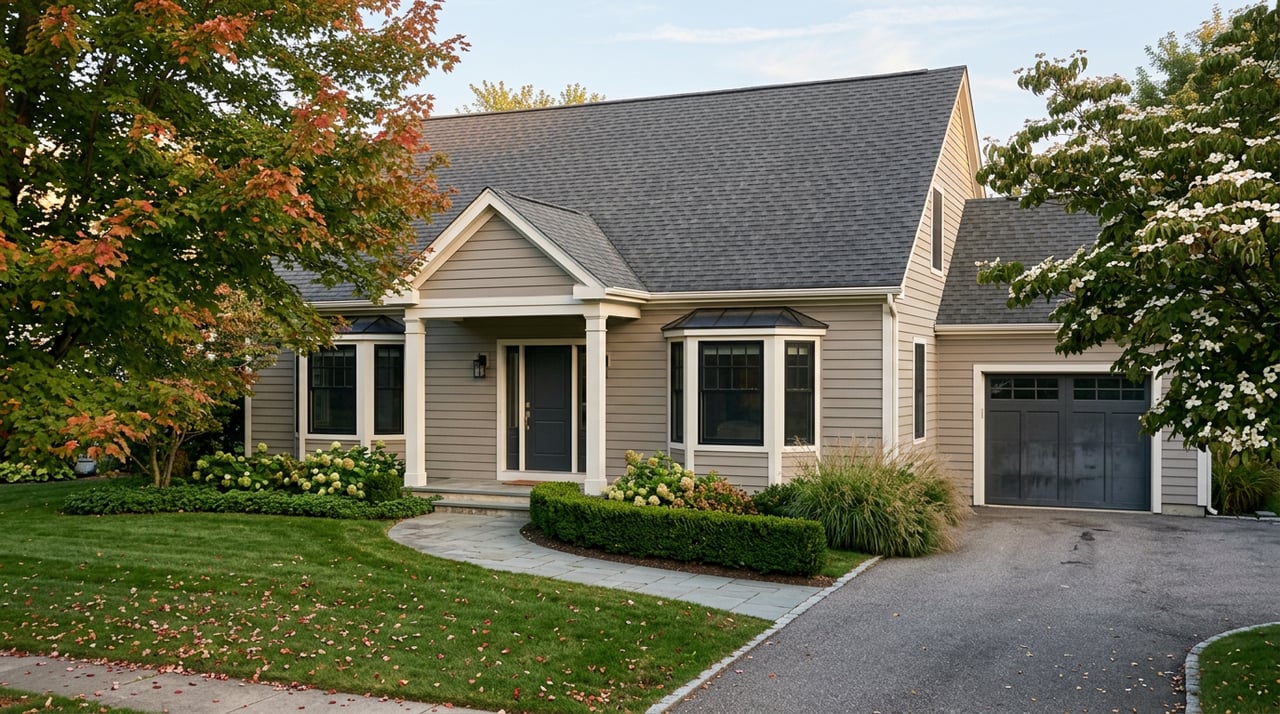
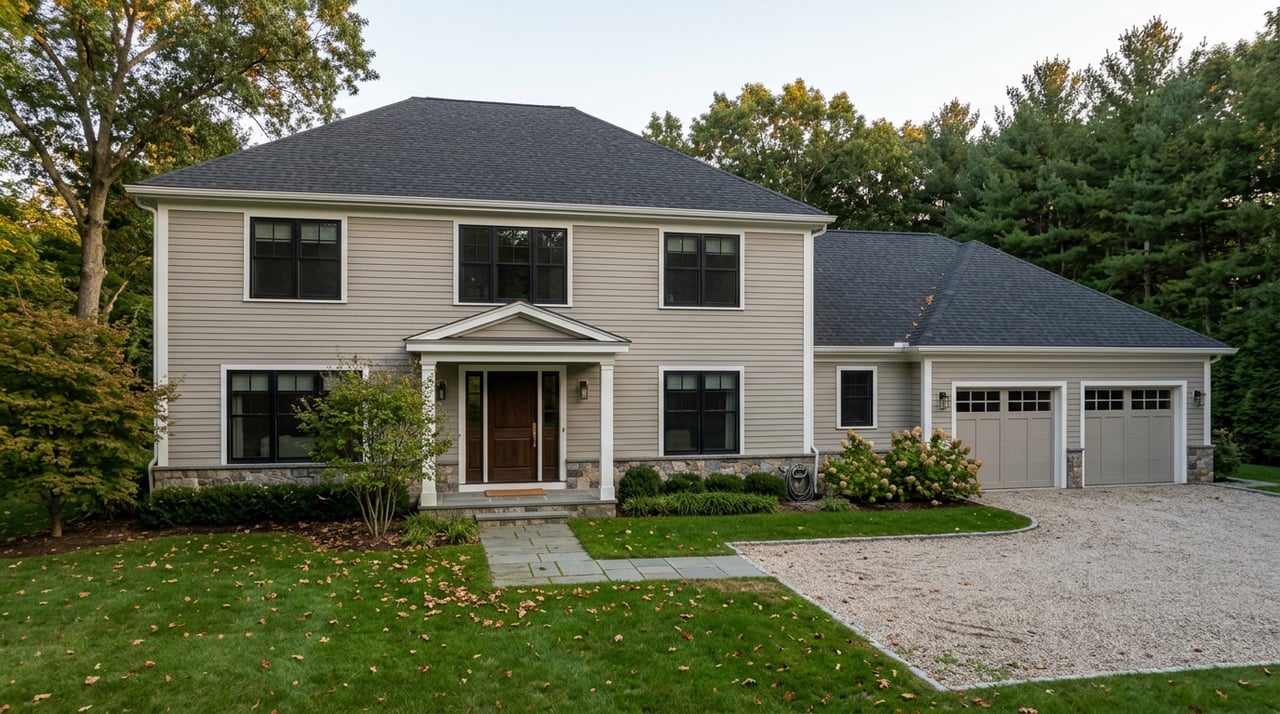
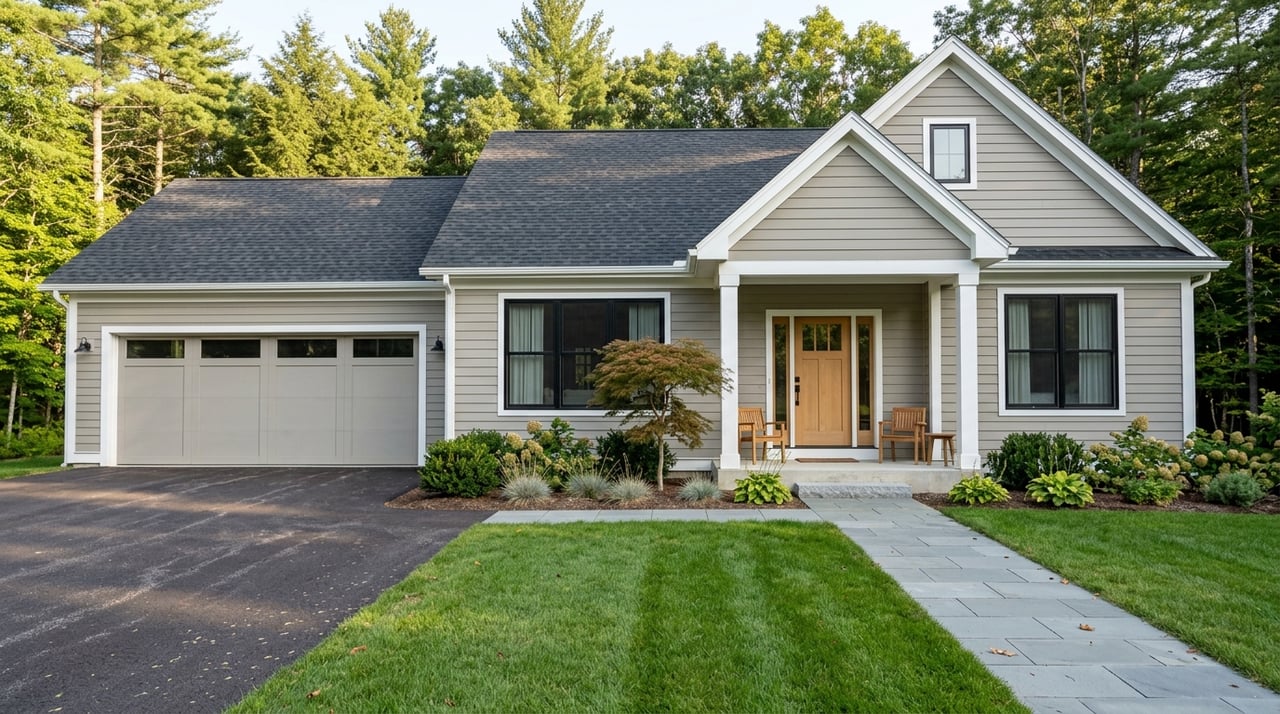
Berlin’s housing profile is still largely centered on detached homes. A housing report describes the town’s housing stock as 93% single-family, with much smaller shares of two- to four-family homes and larger multifamily buildings. That tells you a lot about what living here tends to look like.
If you are hoping for a classic house-and-yard setup, Berlin is more likely to line up with that goal than a town with a heavier apartment or condo mix. It is also a largely owner-occupied community. Recent data show 79.8% of occupied homes are owner-occupied, which supports the feel of an established residential town.
At the same time, Berlin is not frozen in place. Recent development has included Riverbridge, a mixed-use project with 201 housing units and 148,000 square feet of retail space, along with smaller single-family projects like Highland Ridge, Southwood Commons, Gibbs Road, and West Street Crossing. So while the town remains mostly single-family in character, there has been some growth and change.
Growth with caution
Berlin’s 2023 Housing Production Plan shows the town had 1,307 year-round housing units and 204 units on the Subsidized Housing Inventory, or 15.61% of its housing stock. That means Berlin was above the 10% affordable housing threshold while still recognizing that not every housing need has been fully met.
The same planning work notes that residents value the town’s small-town character and tend to be cautious about denser proposals. That balance is important if you are considering a move here. Berlin appears to be managing growth carefully, rather than opening the door to rapid, large-scale change everywhere.
For buyers, that often means the town is trying to preserve what makes it appealing while still allowing some new housing opportunities. For sellers, it helps explain why Berlin continues to attract people who want a quieter setting but still need practical regional access.
What day-to-day life looks like
Berlin’s civic life revolves more around town institutions than around a large downtown shopping district. Local touchpoints include the Berlin Public Library, the Recreation Committee, the Bullard House museum, the Municipal Affordable Housing Trust, and the Berlin Housing Partnership. That gives the town a community-centered feel.
In daily life, many errands and services connect to the broader Route 495 corridor. Town sources identify Solomon Pond and Highland Commons as important shopping areas and major business districts in Berlin. So while the town itself feels quieter and less commercial, you are not far from larger retail options.
For some residents, especially older adults or those with mobility limits, the Council on Aging van is another useful local resource. The town says it provides rides on three weekdays for medical appointments, shopping, errands, or visiting friends. That kind of service can make a real difference in everyday convenience.
Schools in Berlin
Berlin is served by the Berlin-Boylston Regional School District. The district includes Berlin Memorial School in Berlin, Boylston Elementary School, and Tahanto Regional Middle/High School. Berlin Memorial serves pre-K through grade 5, which means there is in-town elementary access for local families.
For homebuyers, that setup can be a practical part of the decision-making process. It helps to know how school assignments are structured and where students attend by grade level. If you are comparing Berlin with nearby towns, this is one of the basics worth understanding early.
Commuting from Berlin
Berlin’s location is one of its strongest practical advantages. The town says Route 62 runs through Berlin, and it is strategically located on the I-495 corridor near I-90, I-290, and Route 2. Town sources also describe access to both Boston and Worcester as convenient from this road network.
That said, Berlin is generally car-oriented. Regional planning materials say the town has no fixed-route public transit service, and Route 62 has limited pedestrian and bicycle accommodations. There is a park-and-ride lot near I-495, but for most residents, daily life will still depend heavily on driving.
This is an important lifestyle match point. If you want strong highway access and do most of your errands and commuting by car already, Berlin may feel very workable. If you want frequent transit or a highly walkable daily routine, the town may feel less convenient.
Who Berlin tends to fit best
Berlin often appeals to buyers who want a quieter Central Massachusetts setting with open space, mostly single-family homes, and room to spread out a bit. It can also make sense if you want easier access to regional shopping and major roads without living in a busier commercial center.
In many cases, Berlin is a good fit for:
- Buyers looking for a low-density residential setting
- House hunters who prefer single-family housing options
- People who value open space and a rural-suburban feel
- Commuters who want access to I-495 and nearby major routes
- Relocators who want a smaller town with nearby shopping access
Berlin may be less aligned with your goals if you are looking for:
- A dense, walkable downtown lifestyle
- A wide selection of apartment buildings
- Frequent public transit options
- A more urban or high-activity commercial environment
Why local guidance matters in Berlin
Berlin is the kind of town where surface-level impressions do not tell the whole story. One street may feel very tucked away, while another offers quicker access to major commuting routes or nearby retail. The mix of older homes, newer construction, and evolving development also means it helps to look at each property in context.
That is especially true if you are comparing Berlin to nearby towns like Clinton, Hudson, Bolton, or Northborough. Small differences in housing style, lot setting, road access, and overall pace can shape which town feels right for you. Having clear local guidance can make those tradeoffs easier to sort through.
Final thoughts on living in Berlin MA
Berlin offers a blend that can be hard to find: a small-town setting, a strong open-space identity, mostly single-family housing, and solid access to major highways and regional shopping. It is not the right match for every buyer, but for the right person, it delivers space, calm, and a strong sense of place.
If you are considering a move to Berlin or weighing it against nearby Central Massachusetts towns, it helps to talk through the details with someone who knows the area well. For thoughtful local guidance on Berlin homes, new construction, and the surrounding market, reach out to Michelle St Michael.
FAQs
What is the overall lifestyle like in Berlin, MA?
- Berlin offers a quieter, low-density lifestyle with suburban and rural characteristics, a strong open-space focus, and a community-centered feel rather than a dense urban environment.
What kind of homes are most common in Berlin, MA?
- Berlin’s housing stock is mostly single-family, with a much smaller share of two- to four-family homes and larger multifamily properties.
Is Berlin, MA good for commuters?
- Berlin can work well for commuters who drive because it has access to Route 62, I-495, I-90, I-290, and Route 2, but it does not have fixed-route public transit service.
Are there shopping and errands nearby in Berlin, MA?
- Yes. While Berlin itself is quieter and less commercial, town sources point to Solomon Pond and Highland Commons as important nearby shopping areas.
How are schools organized in Berlin, MA?
- Berlin is part of the Berlin-Boylston Regional School District, which includes Berlin Memorial School for pre-K through grade 5, plus Boylston Elementary School and Tahanto Regional Middle/High School.
Is Berlin, MA still growing?
- Yes. Planning documents show that Berlin has had recent mixed-use and single-family development, while also taking a cautious approach to growth in order to preserve its small-town character.